


As an indoor golf turf supplier, one of the most frequently asked questions I encounter is whether indoor golf turf can be installed on any surface. This is a crucial inquiry for both professional golfers looking to set up a practice area at home and commercial establishments aiming to create an indoor golfing experience. In this blog, I'll delve into the factors that determine the suitability of different surfaces for indoor golf turf installation.
Understanding the Basics of Indoor Golf Turf
Before we discuss surface compatibility, it's essential to understand what indoor golf turf is. Indoor golf turf is specifically designed to mimic the feel and performance of natural grass on a golf course. It is made from synthetic materials that provide a consistent and predictable ball roll, allowing golfers to practice their shots with accuracy. The turf typically consists of a backing material and synthetic fibers that are tufted or woven into the backing.
Factors Affecting Surface Suitability
Several factors need to be considered when determining whether indoor golf turf can be installed on a particular surface. These factors include the flatness of the surface, its smoothness, the level of moisture, and the type of material the surface is made of.
Flatness
A flat surface is crucial for a proper golf turf installation. Uneven surfaces can cause the turf to wrinkle or bunch up, which can affect the ball's roll and make the playing surface inconsistent. Before installation, the surface should be inspected for any bumps, dips, or irregularities. If necessary, the surface can be leveled using a self - leveling compound or other appropriate methods.
Smoothness
The smoothness of the surface also plays a significant role. A rough surface can damage the backing of the turf during installation and may cause the turf to wear out more quickly. A smooth surface ensures that the turf lies flat and provides a seamless playing experience.
Moisture
Moisture can be a major issue when installing indoor golf turf. Excess moisture can cause the turf to mildew or rot, and it can also affect the adhesion of the turf to the surface. The surface should be dry before installation, and if there is a risk of moisture, a moisture barrier may need to be installed underneath the turf.
Surface Material
The type of material the surface is made of is another important consideration. Different materials have different properties that can affect the installation and performance of the turf.
Suitable Surfaces for Indoor Golf Turf Installation
Concrete
Concrete is one of the most common surfaces for indoor golf turf installation. It is a flat, durable, and relatively smooth surface that can provide a stable base for the turf. However, concrete can be porous and may absorb moisture, so it's important to seal the concrete before installing the turf to prevent moisture from seeping through.
Plywood
Plywood is another popular choice. It is lightweight, easy to work with, and can be cut to fit the desired shape and size of the golf area. Plywood provides a smooth and flat surface for the turf, but it may require additional support if it is used in a large - scale installation. Make sure the plywood is of good quality and is properly sealed to prevent moisture damage.
Tile
Tile surfaces can also be used for indoor golf turf installation. Tiles are usually smooth and flat, but they may have grout lines that can affect the ball's roll. Before installation, the grout lines should be filled and smoothed to create a more uniform surface.
Surfaces to Avoid
While many surfaces can be suitable for indoor golf turf installation, there are some surfaces that should be avoided.
Carpet
Carpet is not a good choice for indoor golf turf installation. Carpet is too soft and uneven, which can cause the turf to shift and affect the ball's roll. Additionally, the fibers of the carpet can get caught in the backing of the turf, making it difficult to install and maintain.

Gravel or Dirt
Gravel and dirt surfaces are not suitable because they are uneven and porous. They can also introduce debris and dirt into the turf, which can affect its performance and lifespan.
Other Considerations for Indoor Golf Turf Installation
In addition to the surface, there are other factors to consider when installing indoor golf turf. These include the type of turf, the installation method, and the maintenance requirements.
Type of Turf
There are different types of indoor golf turf available, each with its own characteristics. Some turfs are designed for putting greens, while others are more suitable for fairways and roughs. The type of turf you choose will depend on your specific needs and the type of golfing experience you want to create.
Installation Method
The installation method can also vary depending on the surface and the type of turf. Some turfs are glued directly to the surface, while others are installed using a mechanical fastening system. It's important to follow the manufacturer's instructions for the best results.
Maintenance Requirements
Proper maintenance is essential to ensure the longevity and performance of the indoor golf turf. Regular brushing, vacuuming, and cleaning can help keep the turf in good condition. Additionally, it's important to address any issues such as wrinkles or tears as soon as they occur.
Related Products and Their Applications
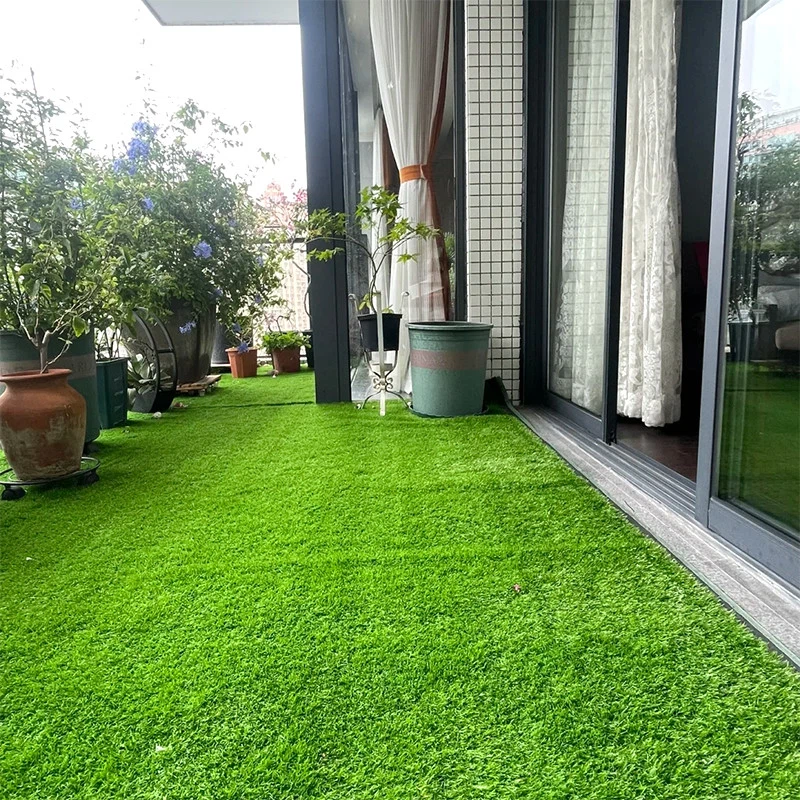
If you are considering creating an indoor golf area, you may also be interested in other types of artificial turf for different areas of your property. For example, Balcony Artificial Turf can be used to transform your balcony into a green and relaxing space. Courtyard Rainbow Artificial Turf can add a splash of color to your courtyard, making it a more inviting place. And Kindergarten Leisure Artificial Turf is perfect for creating a safe and fun play area for children.
Conclusion
In conclusion, indoor golf turf cannot be installed on just any surface. The flatness, smoothness, moisture level, and material of the surface all need to be considered. Concrete, plywood, and tile are generally suitable surfaces, while carpet, gravel, and dirt should be avoided. By choosing the right surface and following the proper installation and maintenance procedures, you can create a high - quality indoor golf area that provides a realistic and enjoyable playing experience.
If you are interested in purchasing indoor golf turf or have any questions about installation, feel free to contact us for a consultation. Our team of experts is ready to assist you in finding the perfect solution for your indoor golfing needs.
References
- "Synthetic Turf Installation Guide" by Synthetic Turf Council
- "Golf Turf Management" by the United States Golf Association
