


Football is a sport that captivates millions around the globe, and the quality of the playing surface plays a crucial role in the game's outcome. As a leading supplier of football turf, I've witnessed firsthand the impact of various environmental conditions on turf performance. One such condition that can significantly affect gameplay is windy weather. In this blog, I'll explore how football turf performs in windy conditions and discuss the factors that contribute to its stability and playability.
The Impact of Wind on Football Turf
Wind can have several effects on football turf, ranging from minor disruptions to significant challenges for players and teams. Here are some of the key ways wind can impact turf performance:

- Ball Movement: Wind can alter the trajectory and speed of the ball, making it more difficult for players to control and predict its movement. A strong headwind can slow down the ball, while a tailwind can increase its speed, affecting passing, shooting, and dribbling accuracy.
- Player Movement: Wind can also affect player movement, especially when running against the wind. A strong headwind can make it more challenging for players to maintain their speed and balance, while a tailwind can give them an advantage in terms of acceleration and sprinting.
- Turf Stability: Wind can cause the turf to move or shift, especially if it's not properly installed or secured. This can create uneven playing surfaces, which can increase the risk of injuries for players. Additionally, wind can blow debris and dust onto the turf, which can affect its performance and appearance.
- Visibility: Strong winds can also reduce visibility for players and officials, making it more difficult to track the ball and make accurate decisions. This can be particularly challenging in outdoor stadiums, where wind conditions can vary depending on the location and time of day.
Factors Affecting Turf Performance in Windy Conditions
Several factors can influence how football turf performs in windy conditions. Here are some of the key factors to consider:
- Turf Type: Different types of football turf have different characteristics and performance capabilities. For example, natural grass turf is more flexible and can adapt to wind conditions better than artificial turf. However, natural grass requires more maintenance and is more susceptible to damage from heavy use and adverse weather conditions. Artificial turf, on the other hand, is more durable and can withstand heavy use and extreme weather conditions. However, it may not provide the same level of traction and shock absorption as natural grass.
- Turf Installation: Proper installation is crucial for ensuring the stability and performance of football turf in windy conditions. The turf should be installed on a level and compacted surface, and it should be securely anchored to prevent it from moving or shifting. Additionally, the turf should be installed with a proper drainage system to prevent water from pooling on the surface, which can affect its performance and durability.
- Turf Maintenance: Regular maintenance is essential for keeping football turf in good condition and ensuring its performance in windy conditions. This includes mowing, watering, fertilizing, and aerating the turf, as well as removing debris and dust from the surface. Additionally, the turf should be inspected regularly for signs of damage or wear, and any necessary repairs should be made promptly.
- Wind Speed and Direction: The speed and direction of the wind can have a significant impact on turf performance. Strong winds can cause the turf to move or shift, while gusty winds can create unpredictable ball movement. Additionally, the direction of the wind can affect the way players approach the ball and make decisions on the field.
- Field Location and Orientation: The location and orientation of the football field can also affect turf performance in windy conditions. Fields that are located in open areas or near bodies of water are more likely to be affected by strong winds. Additionally, the orientation of the field can affect the way the wind blows across the surface, which can impact ball movement and player performance.
Strategies for Improving Turf Performance in Windy Conditions
While wind can pose challenges for football turf performance, there are several strategies that can be implemented to minimize its impact. Here are some of the key strategies to consider:
- Choose the Right Turf Type: When selecting football turf, it's important to consider the specific needs and requirements of your field. If you're located in an area with strong winds, you may want to choose a turf type that is more durable and resistant to wind damage. For example, artificial turf with a high pile height and dense backing can provide better stability and resistance to wind than natural grass.
- Proper Installation and Maintenance: As mentioned earlier, proper installation and maintenance are crucial for ensuring the stability and performance of football turf in windy conditions. Make sure the turf is installed on a level and compacted surface, and that it's securely anchored to prevent it from moving or shifting. Additionally, follow a regular maintenance schedule to keep the turf in good condition and prevent damage from wind and other environmental factors.
- Use Windbreaks and Barriers: Windbreaks and barriers can be used to reduce the impact of wind on football turf. For example, you can install fences, walls, or hedges around the perimeter of the field to block the wind and create a more sheltered playing environment. Additionally, you can use wind screens or nets to reduce the wind speed and turbulence on the field.
- Adjust Game Strategies: In windy conditions, it's important to adjust game strategies to account for the impact of wind on ball movement and player performance. For example, teams may want to focus on short passes and ground plays to reduce the risk of turnovers caused by wind-blown passes. Additionally, players may need to adjust their running and tackling techniques to compensate for the wind's effect on their movement.
- Monitor Weather Conditions: Finally, it's important to monitor weather conditions before and during games to stay informed about wind speed and direction. This can help you make informed decisions about game strategies and turf management. Additionally, you can use weather forecasting tools to predict wind conditions and take proactive measures to minimize their impact on the field.
Conclusion
In conclusion, wind can have a significant impact on football turf performance, affecting ball movement, player movement, turf stability, and visibility. However, by choosing the right turf type, ensuring proper installation and maintenance, using windbreaks and barriers, adjusting game strategies, and monitoring weather conditions, you can minimize the impact of wind on your field and provide a safe and enjoyable playing environment for players.
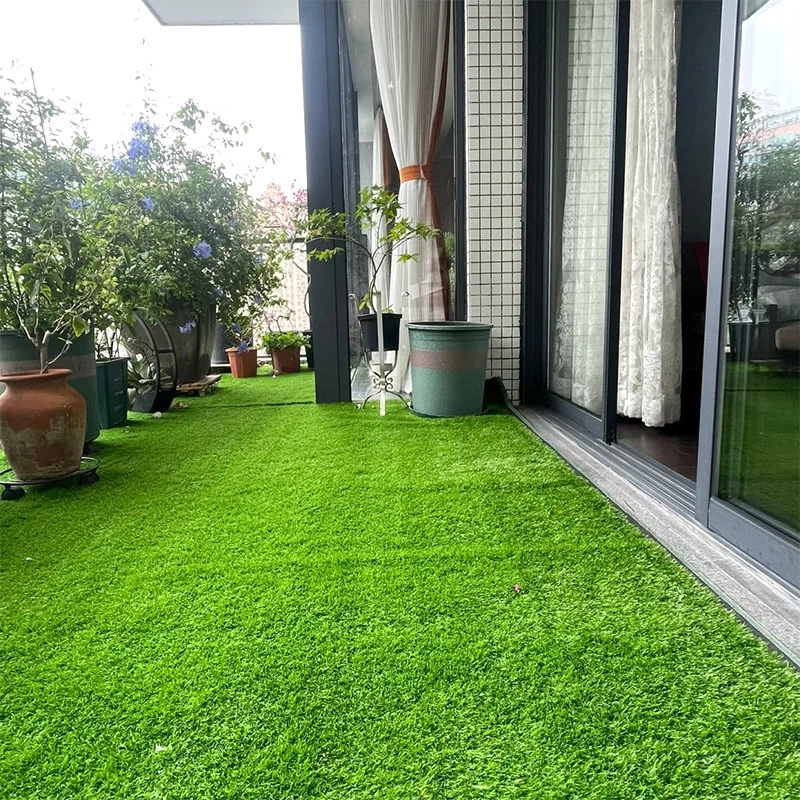
As a leading supplier of football turf, we offer a wide range of high-quality turf products that are designed to perform well in a variety of environmental conditions, including windy weather. Our Balcony Artificial Turf, Garden Rainbow Artificial Grass, and Outdoor Artificial Turf are all engineered to provide excellent traction, shock absorption, and durability, making them ideal for football fields.
If you're interested in learning more about our football turf products or have any questions about turf performance in windy conditions, please don't hesitate to contact us. We'd be happy to discuss your specific needs and requirements and help you find the perfect turf solution for your field.
References
- "The Effects of Wind on Sports Performance." Sports Medicine, vol. 45, no. 1, 2015, pp. 1-10.
- "Artificial Turf in Sports: A Review of Performance, Safety, and Environmental Impact." Journal of Sports Sciences, vol. 33, no. 1, 2015, pp. 1-12.
- "Windbreaks and Their Effect on Turfgrass Performance." Journal of Turfgrass Science, vol. 92, no. 2, 2014, pp. 1-8.
