


Ensuring proper ventilation under on - deck sports turf is crucial for maintaining the longevity and performance of the turf, as well as the safety and comfort of the users. As a leading on - deck sports turf supplier, I have encountered various challenges and found effective solutions regarding ventilation. In this blog, I will share some key strategies and considerations to achieve optimal ventilation for on - deck sports turf.
Understanding the Importance of Ventilation
Before delving into the methods of ensuring ventilation, it is essential to understand why it matters. On - deck sports turf is often installed in areas with high foot traffic and physical activity. Without proper ventilation, moisture can accumulate beneath the turf, leading to the growth of mold and mildew. These fungi not only damage the turf but also pose health risks to the users, such as respiratory problems and skin allergies.
Moreover, poor ventilation can cause the turf to overheat, especially in sunny and hot weather. Overheating can reduce the elasticity of the turf fibers, making the surface harder and increasing the risk of injuries. Adequate ventilation helps to regulate the temperature and moisture levels under the turf, creating a more stable and comfortable playing environment.
Site Assessment
The first step in ensuring proper ventilation is to conduct a thorough site assessment. Different on - deck areas have unique characteristics that can affect ventilation. For example, the orientation of the deck, the surrounding structures, and the local climate all play important roles.
If the deck is located in a shaded area, it may have less natural ventilation compared to a sun - exposed deck. In such cases, additional ventilation measures may be required. Similarly, if the deck is surrounded by high walls or buildings, air circulation can be restricted. The local climate, including the average temperature, humidity, and wind patterns, also needs to be considered. In humid regions, more aggressive ventilation strategies may be necessary to prevent moisture buildup.
Base Preparation
The base on which the sports turf is installed is a critical factor in ventilation. A well - designed base allows air to flow freely beneath the turf. One common approach is to use a permeable base material. Gravel or crushed stone are excellent choices as they provide good drainage and allow air to circulate.
The thickness and compaction of the base also matter. A base that is too thick or overly compacted can impede air flow. It is recommended to have a base with a thickness of 4 - 6 inches and to ensure proper compaction to maintain its stability while still allowing for ventilation. Additionally, creating a sloped base can help with both drainage and air movement. A slope of 1 - 2% towards the edges of the deck can direct water away and promote air circulation.
Ventilation Channels
Installing ventilation channels is an effective way to enhance air flow under the sports turf. These channels can be made of various materials, such as plastic or metal. They are typically placed at regular intervals beneath the turf to create pathways for air to move.
There are different types of ventilation channels available. Some are designed with a honeycomb structure, which provides a large surface area for air exchange. Others have a ribbed design that helps to prevent the turf from collapsing onto the channels and blocking the air flow. When installing ventilation channels, it is important to ensure that they are properly connected and that there are no blockages.
Perforated Underlay
Using a perforated underlay is another useful technique for ventilation. The underlay is placed between the base and the sports turf. The perforations in the underlay allow air and moisture to pass through, facilitating ventilation.
Perforated underlays come in different materials and hole sizes. Synthetic rubber or foam underlays with evenly spaced holes are commonly used. The size of the holes should be carefully selected based on the specific requirements of the site. Smaller holes may prevent debris from entering the ventilation system, while larger holes can provide better air and water flow.
Edge Ventilation
Edge ventilation is often overlooked but is an important aspect of overall ventilation. The edges of the on - deck sports turf should be designed to allow air to enter and exit. This can be achieved by leaving a small gap between the turf and the deck perimeter or by installing ventilation grilles along the edges.
Edge ventilation helps to create a pressure difference that encourages air circulation under the turf. It also allows moisture to escape more easily, reducing the risk of mold and mildew growth. When installing the turf, make sure that the edges are properly sealed to prevent water from seeping in while still maintaining ventilation.
Maintenance
Regular maintenance is essential to ensure that the ventilation system continues to function properly. This includes inspecting the base, ventilation channels, and underlay for any signs of damage or blockage. Debris, such as leaves and dirt, can accumulate on the turf and in the ventilation channels, obstructing air flow.
Periodically cleaning the turf and the ventilation system can prevent these issues. Using a leaf blower or a pressure washer can be effective in removing debris. Additionally, checking the drainage system to ensure that it is working correctly is important, as proper drainage is closely related to ventilation.
Product Recommendations
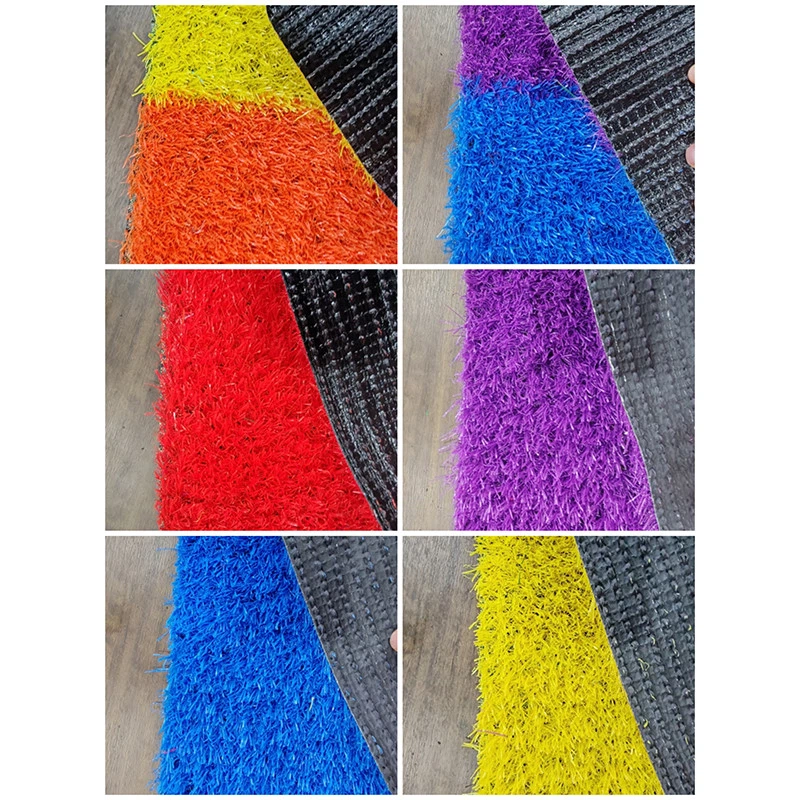
As a on - deck sports turf supplier, I would also like to introduce some of our related products that can enhance the overall experience. You can check out our Artificial Grass Party Decor for adding a festive touch to your on - deck area. Our Colorful Artificial Grass for Kindergarten is a great option for creating a safe and colorful playing environment. And if you are looking for something more decorative for your garden on the deck, our Garden Rainbow Artificial Grass is worth considering.
Conclusion
Ensuring proper ventilation under on - deck sports turf is a multi - faceted process that requires careful planning, appropriate materials, and regular maintenance. By following the strategies outlined in this blog, you can create a well - ventilated and sustainable on - deck sports turf system. If you are interested in our on - deck sports turf products or need more advice on ventilation, please feel free to contact us for procurement and further discussion. We are committed to providing high - quality products and professional services to meet your needs.

References
- "Sports Turf Management Handbook", by the Sports Turf Managers Association.
- "Ventilation Principles and Practices in Building Construction", by various industry experts in building ventilation.
