


As a seasoned supplier of on - deck sports turf, I've witnessed firsthand the wear and tear that these surfaces can endure over time. Whether it's due to heavy use, harsh weather conditions, or accidental damage, a damaged on - deck sports turf can significantly impact the performance and aesthetics of a sports area. In this blog, I'll share some valuable insights on how to repair damaged on - deck sports turf effectively.
Assessing the Damage
The first step in any turf repair process is to conduct a thorough assessment of the damage. Walk around the affected area and closely examine the extent of the problem. Is it a small tear, a large hole, or simply some areas where the turf fibers are flattened? Understanding the nature and scale of the damage will help you determine the most appropriate repair method.
For minor damages such as small tears or frayed edges, a simple repair can often be carried out on - site. However, if the damage is extensive, involving large sections of the turf or underlying padding, it may be necessary to consider more comprehensive repair or even replacement options.
Tools and Materials Needed
Before you start the repair process, gather all the necessary tools and materials. Here's a basic list:
- Utility knife: For cutting the turf and trimming edges.
- Adhesive: A high - quality turf adhesive is essential for bonding the turf pieces together.
- Seam tape: This helps to reinforce the seams and prevent further separation.
- Turf infill: Depending on the type of on - deck sports turf, you may need to replenish the infill material.
- Brush: To clean the area and spread the infill evenly.
Repairing Small Tears and Holes
If you're dealing with small tears or holes in the on - deck sports turf, follow these steps:
- Clean the Area: Use a brush to remove any dirt, debris, or loose turf fibers from the damaged area. This ensures a clean surface for the repair.
- Cut the Edges: Use a utility knife to trim the torn edges of the turf so that they are straight and smooth. This will make it easier to bond the pieces together.
- Apply Adhesive: Apply a thin layer of turf adhesive to the back of one of the cut edges. Be careful not to use too much adhesive, as it can seep through the turf and cause a messy appearance.
- Join the Edges: Press the two cut edges together firmly, aligning them as closely as possible. Use a roller or your hands to apply pressure and ensure a strong bond.
- Reinforce with Seam Tape: Place a strip of seam tape over the bonded area on the back of the turf. This provides additional strength and stability to the repair.
- Let it Dry: Allow the adhesive to dry completely according to the manufacturer's instructions. This usually takes a few hours, but it's best to wait overnight for a full cure.
Fixing Larger Damages
For larger damages, such as large holes or sections of worn - out turf, the repair process is a bit more involved:
- Measure and Cut a Replacement Piece: Measure the size of the damaged area and cut a replacement piece of turf from a spare roll. Make sure the replacement piece matches the color, pile height, and texture of the existing turf.
- Remove the Damaged Section: Use a utility knife to carefully cut out the damaged section of the turf. Try to make the cut as clean and straight as possible.
- Prepare the Sub - base: If the damage has affected the underlying sub - base, you may need to repair or replace it. Make sure the sub - base is level and free of any debris.
- Lay the Replacement Turf: Place the replacement piece of turf over the cut - out area, aligning it with the surrounding turf. Use a utility knife to trim any excess turf around the edges.
- Bond the Seams: Apply adhesive to the edges of the replacement turf and the surrounding turf, and use seam tape to reinforce the seams. Press the seams firmly together to ensure a tight bond.
- Add Infill: If the on - deck sports turf requires infill, spread the appropriate amount of infill material over the repaired area. Use a brush to work the infill into the turf fibers evenly.
Maintaining the Repaired Turf
Once the repair is complete, it's important to maintain the on - deck sports turf to prevent further damage. Here are some maintenance tips:
- Regular Cleaning: Sweep or vacuum the turf regularly to remove dirt, leaves, and other debris. This helps to keep the turf looking clean and prevents the buildup of contaminants.
- Avoid Sharp Objects: Keep sharp objects away from the turf to prevent punctures and tears. If you need to use tools on the turf, make sure they are designed for use on artificial turf.
- Replenish Infill: Over time, the infill material may become compacted or worn away. Periodically check the infill level and replenish it as needed to maintain the performance of the turf.
Choosing the Right Turf for Your Needs
When it comes to on - deck sports turf, there are various options available. For those interested in outdoor applications, you might consider Outdoor Artificial Turf for Dogs. This type of turf is designed to withstand the wear and tear caused by dogs, making it a great choice for pet owners.
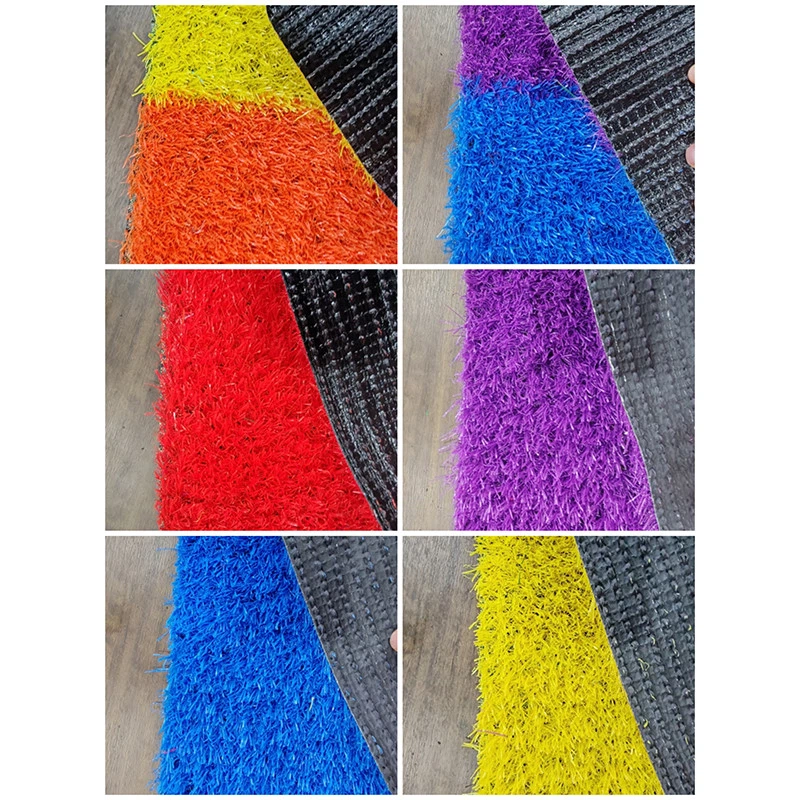

If you have a balcony and want to customize the look, Balcony Customized Artificial Turf offers a range of colors and styles to suit your balcony's aesthetic.
For garden areas, Garden Rainbow Artificial Grass can add a splash of color and beauty to your outdoor space.
Contact for Purchase and Consultation
If you're in the market for on - deck sports turf or need further advice on turf repair and maintenance, I'd be more than happy to assist you. Whether you're a sports facility manager, a homeowner, or a contractor, I can provide you with high - quality on - deck sports turf products and professional guidance. Reach out to us to discuss your specific requirements and get a personalized quote.
References
- "Artificial Turf Installation and Maintenance Guide" - Industry Publication
- Manufacturer's Instructions for Turf Adhesives and Infill Materials
