


Is there a difference in quality between cheap and expensive batting cage turf?
As a supplier of batting cage turf, I've been frequently asked whether there's a real difference in quality between cheap and expensive options. This is a crucial question for anyone looking to invest in a batting cage, whether it's for a professional sports facility, a school, or a personal backyard setup. In this blog, I'll delve into the various aspects that distinguish affordable turf from its more costly counterparts.
Material Quality
One of the most significant factors contributing to the price difference is the material used in the turf. Expensive batting cage turf often utilizes high - grade synthetic fibers. These fibers are engineered to mimic the look and feel of natural grass as closely as possible. They are made from advanced polymers that offer superior durability, resilience, and resistance to wear and tear.
For instance, some premium turfs use polyethylene or polypropylene blends that are UV - stabilized. This means they can withstand long hours of sunlight exposure without fading or degrading. On the other hand, cheap turf may be made from lower - quality plastics that are more prone to breaking down over time, especially when exposed to harsh weather conditions.
The backing material also plays a vital role. High - end turfs typically have a strong, multi - layer backing system. This backing provides stability to the turf, prevents it from shifting or bunching up during use, and allows for proper drainage. In contrast, inexpensive turfs may have a thin, single - layer backing that is more likely to tear or separate from the turf fibers, leading to an uneven playing surface.
Performance
When it comes to performance, the difference between cheap and expensive batting cage turf is quite noticeable. Expensive turf is designed to offer consistent ball bounce and roll. The evenness of the surface ensures that the ball behaves predictably, which is essential for batters to practice effectively. The fibers are arranged in a way that reduces friction, allowing the ball to move smoothly across the turf.
In contrast, cheap turf may have an uneven surface due to poor manufacturing processes. This can result in unpredictable ball bounces, making it difficult for batters to develop their skills. The fibers may also be too stiff or too soft, affecting the way the ball interacts with the turf. For example, if the fibers are too stiff, the ball may bounce too high, while overly soft fibers can cause the ball to sink or slow down unexpectedly.
Maintenance
Maintenance requirements are another area where the quality difference becomes apparent. Expensive batting cage turf is generally easier to maintain. It is more resistant to stains, dirt, and debris. Many high - end turfs come with anti - microbial treatments that prevent the growth of mold and mildew, which is especially important in humid environments.
Cleaning high - quality turf usually involves simple tasks such as regular brushing to keep the fibers upright and occasional hosing down to remove dust. In contrast, cheap turf may require more intensive cleaning. It is more likely to trap dirt and debris between the fibers, which can be difficult to remove. The lack of anti - microbial treatments also means that mold and mildew can grow more easily, posing a health risk and reducing the lifespan of the turf.
Aesthetics
Aesthetics matter, especially in professional or public batting cage facilities. Expensive turf has a more realistic and lush appearance. The colors are more vibrant and fade - resistant, giving the batting cage a more inviting and professional look. The fibers are also more evenly cut and arranged, creating a smooth and uniform surface.
Cheap turf, on the other hand, may look dull and artificial. The colors may be less saturated, and the fibers may appear clumped or uneven. This can detract from the overall experience of using the batting cage and may give a negative impression to players and visitors.
Long - Term Cost
While the upfront cost of expensive batting cage turf is higher, it often proves to be more cost - effective in the long run. High - quality turf has a longer lifespan, which means you won't have to replace it as frequently. The reduced maintenance requirements also save money on cleaning supplies and labor.
In contrast, cheap turf may need to be replaced more often due to its lower durability. The higher maintenance costs can also add up over time. When considering the total cost of ownership, investing in a more expensive turf can be a wise decision.
Applications Beyond Batting Cages
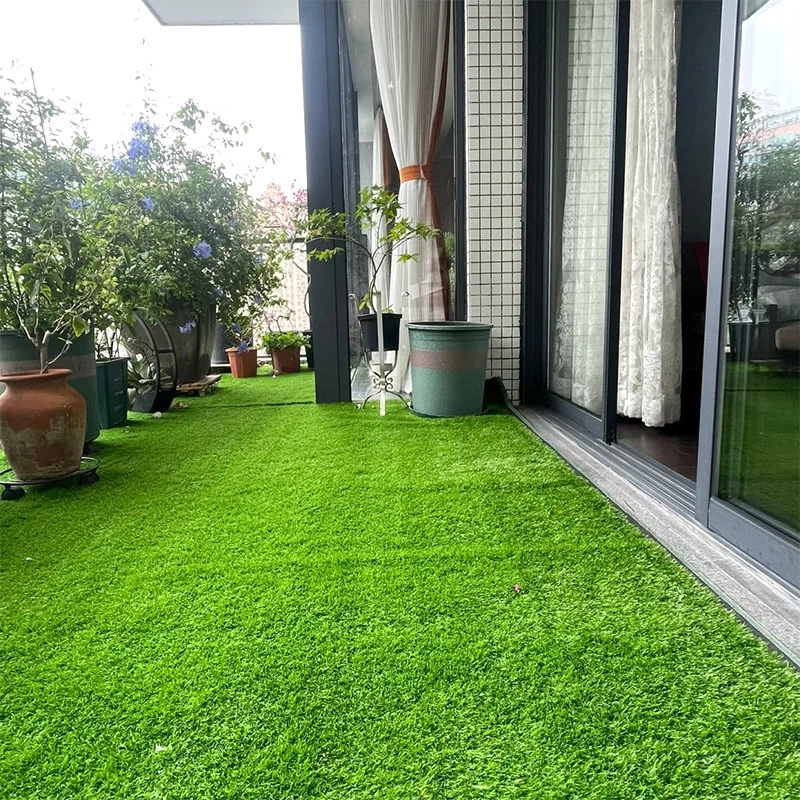
It's worth noting that the quality of turf can also impact its suitability for other applications. If you're interested in other types of artificial turf, we also offer Balcony Artificial Turf, which is perfect for creating a green and low - maintenance balcony space. Our Custom Artificial Turf for Kindergartens is designed with safety and aesthetics in mind, providing a soft and colorful play area for children. And for those looking to transform their backyards, our Artificial Turf Backyard offers a beautiful and durable alternative to natural grass.
Conclusion
In conclusion, there is indeed a significant difference in quality between cheap and expensive batting cage turf. From material quality and performance to maintenance and aesthetics, the higher - priced options generally offer superior features. While the initial investment may be higher, the long - term benefits in terms of durability, performance, and cost - effectiveness make expensive batting cage turf a worthwhile choice for most users.

If you're in the market for batting cage turf or any other type of artificial turf, I encourage you to contact us for a detailed discussion. We can provide you with samples, discuss your specific requirements, and offer professional advice to help you make the best decision for your needs. Whether you're a professional sports organization, a school, or a homeowner, we're here to assist you in finding the perfect turf solution.
References
- "Synthetic Turf: Materials and Manufacturing Processes" by Turf Industry Journal
- "Performance Evaluation of Artificial Turf in Sports Facilities" by Sports Science Review
- "Maintenance Guidelines for Artificial Turf" by National Turfgrass Federation
