


Hey there! As an indoor turf supplier, I often get asked about the weight of indoor turf per square foot. It's a crucial question, especially when you're planning an indoor project, whether it's for a sports facility, a play area, or just sprucing up your home. So, let's dive right into it.
Why Does the Weight Matter?
First off, you might be wondering why the weight per square foot even matters. Well, it has a big impact on several aspects of your indoor turf installation. The weight can affect the durability of the turf. Heavier turf generally means more material, which often translates to a longer lifespan. It can withstand more foot traffic, wear and tear, and general use without getting damaged easily.
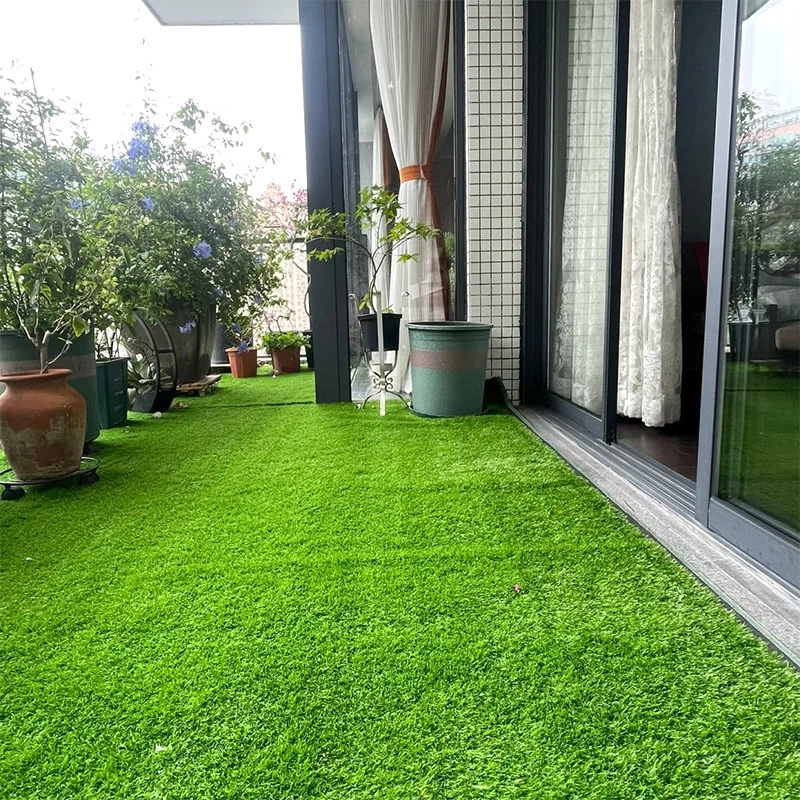

Another important factor is the stability of the turf. A heavier turf is less likely to shift or bunch up over time. This is particularly important in high - traffic areas where the turf needs to stay in place. And let's not forget about the feel. A heavier turf can provide a more substantial and luxurious underfoot experience, making it more comfortable to walk, play, or relax on.
Factors Affecting the Weight
There are several factors that can influence the weight of indoor turf per square foot.
Pile Height
The pile height is one of the most significant factors. Pile height refers to the length of the artificial grass blades. Longer pile heights generally mean more material, which results in a heavier turf. For example, if you have a turf with a pile height of 1.5 inches, it will likely weigh more than a turf with a 0.5 - inch pile height. This is because there's more grass blade material in the taller pile turf.
Density
Density is another key factor. It's all about how closely packed the grass blades are. A high - density turf has more blades per square foot, which means more material and a higher weight. Think of it like a thick carpet versus a thin one. The thick carpet has more fibers in a given area, so it weighs more. High - density indoor turf is great for areas where you need a lot of cushioning and durability, like sports courts.
Backing Material
The backing material of the turf also plays a role in its weight. There are different types of backing materials, such as woven and non - woven. Woven backing materials are often heavier because they are more tightly constructed. They provide better stability and support for the grass blades, but they also add to the overall weight of the turf. Non - woven backing materials are usually lighter, but they may not be as durable in high - stress applications.
Typical Weight Ranges
Now, let's talk about some typical weight ranges for indoor turf per square foot.
On the lighter end of the spectrum, you might find indoor turf that weighs around 0.5 to 1 pound per square foot. This type of turf is often used in areas where weight is a concern, such as balconies. You can check out Balcony Artificial Turf for options that are lightweight and suitable for these spaces.
For medium - weight indoor turf, the weight usually falls between 1 to 2 pounds per square foot. This is a popular choice for many indoor applications, including play areas and small sports areas. It offers a good balance between durability and weight.
Heavy - duty indoor turf, which is commonly used in professional sports facilities or high - traffic commercial areas, can weigh 2 pounds or more per square foot. This type of turf is built to withstand a lot of abuse and provides excellent stability and durability.
Comparing Different Indoor Turf Products
Let's take a look at how different indoor turf products stack up in terms of weight.
Residential Indoor Turf
For residential use, you might be interested in something like Artificial Turf Backyard. This type of turf usually has a moderate weight, typically around 1 to 1.5 pounds per square foot. It's designed to be comfortable for family activities, like playing with kids or having a picnic. The weight is just right to provide a stable surface without being too heavy for your home.
Turf for Dog Areas
If you have a furry friend, Outdoor Artificial Turf for Dogs can also be used indoors. This turf often has a medium to high weight, around 1.5 to 2 pounds per square foot. It needs to be durable enough to handle the scratching and running of dogs. The heavier weight helps it stay in place and resist damage from paws.
Calculating the Weight for Your Project
When you're planning an indoor turf project, it's important to calculate the total weight. First, measure the area in square feet. Then, find out the weight per square foot of the turf you're interested in. Multiply the area by the weight per square foot to get the total weight.
For example, if you have an area of 500 square feet and the turf you want weighs 1.2 pounds per square foot, the total weight would be 500 x 1.2 = 600 pounds. This calculation can be useful for things like shipping and installation.
Selecting the Right Weight for Your Needs
So, how do you choose the right weight of indoor turf for your project?
If you're using the turf in a low - traffic area, like a small indoor playroom, a lighter weight turf might be sufficient. It will be more cost - effective and easier to install. On the other hand, if you're setting up a large indoor sports court or a commercial space with a lot of foot traffic, a heavier weight turf is a better choice. It will last longer and provide a more stable surface.
Making the Decision
Deciding on the weight of indoor turf per square foot is an important step in your indoor turf project. You need to consider your specific needs, the intended use of the space, and your budget. Remember, a heavier turf generally offers more durability and stability, but it may also be more expensive.
If you're still not sure which weight is right for you, don't hesitate to reach out. As an indoor turf supplier, I'm here to help you make the best decision for your project. Whether you need a lightweight turf for a cozy corner or a heavy - duty turf for a high - traffic area, I can provide you with the right options and guidance.
Let's work together to create the perfect indoor turf space for you. Contact me to start the conversation about your indoor turf needs and to discuss the best weight and type of turf for your project. We can also talk about pricing, installation, and any other questions you might have. Looking forward to hearing from you!
References
- Industry knowledge and experience as an indoor turf supplier.
- Research on artificial turf materials and their properties.
