


Is indoor soccer turf easy to clean after a game? This is a question that many soccer enthusiasts, facility managers, and potential buyers often ask. As a supplier of indoor soccer turf, I'm here to provide an in - depth analysis of this topic.
The Nature of Indoor Soccer Turf
Indoor soccer turf is specifically designed to meet the high - intensity requirements of the sport. It is typically made of synthetic materials such as polyethylene or polypropylene. These materials are chosen for their durability, resilience, and ability to mimic the feel of natural grass. The construction of indoor soccer turf often includes a backing layer that provides stability and support, along with fibers that are tufted or woven to create a playing surface.
One of the key features of modern indoor soccer turf is its resistance to wear and tear. The fibers are engineered to withstand the constant running, sliding, and kicking that occur during a soccer game. This durability also plays a role in the cleaning process. Since the turf is less likely to be damaged during play, it can be cleaned more aggressively without fear of ruining the surface.
Factors Affecting Cleanability
1. Type of Debris
During a soccer game, various types of debris can accumulate on the turf. This includes dirt, dust, grass clippings (if there are any remnants from outdoor shoes), and sweat. Dirt and dust are the most common forms of debris. They can be easily removed with regular sweeping or vacuuming. Grass clippings, on the other hand, may require a bit more effort as they can get tangled in the turf fibers. Sweat can leave behind salt deposits, which may need to be washed away with a mild detergent.

2. Turf Design
The design of the indoor soccer turf can significantly impact its cleanability. Turf with a longer pile may trap debris more easily, making it more challenging to clean. However, longer pile turf also tends to have better shock absorption, which is beneficial for player safety. Shorter pile turf, on the other hand, is generally easier to clean as debris is less likely to get deeply embedded. Additionally, some turf designs feature special drainage systems. These systems are crucial as they allow water and other liquids to drain quickly, preventing the growth of mold and mildew, which can be difficult to remove.
3. Frequency of Use
The more frequently the indoor soccer turf is used, the more debris it will accumulate. A turf that is used for multiple games a day will require more frequent cleaning compared to one that is used only occasionally. Regular cleaning helps prevent the build - up of dirt and grime, making the cleaning process easier in the long run.
Cleaning Methods
1. Regular Sweeping and Vacuuming
Regular sweeping is the most basic form of cleaning for indoor soccer turf. A stiff - bristled broom can be used to remove loose dirt and debris from the surface. For a more thorough clean, a vacuum cleaner with a brush attachment can be used. Vacuuming not only removes visible debris but also helps to fluff up the turf fibers, maintaining its appearance and performance.
2. Spot Cleaning
Spot cleaning is necessary for dealing with spills or stains. For example, if a player spills a drink on the turf, it should be cleaned up immediately to prevent staining. A mild detergent and water solution can be used to gently clean the affected area. It is important to test the detergent on a small, inconspicuous area of the turf first to ensure that it does not cause any discoloration or damage.
3. Deep Cleaning
Deep cleaning is recommended on a regular basis, depending on the frequency of use. This involves using a specialized turf cleaner and a power washer or a scrubbing machine. The turf cleaner is designed to break down dirt, grease, and other contaminants. The power washer or scrubbing machine helps to agitate the cleaner and remove the debris from the turf. After deep cleaning, the turf should be thoroughly rinsed to remove any remaining cleaner.
Comparison with Other Surfaces
When compared to natural grass, indoor soccer turf is generally much easier to clean. Natural grass requires regular mowing, watering, and fertilizing, and it can be easily damaged by heavy use. Cleaning natural grass after a game involves removing large amounts of mud and debris, which can be a time - consuming and labor - intensive process.
In contrast, indoor soccer turf can be cleaned relatively quickly and easily. With the right cleaning equipment and methods, a large - scale indoor soccer field can be cleaned in a matter of hours.
Our Indoor Soccer Turf Products
As a supplier, we offer a range of indoor soccer turf products that are designed with cleanability in mind. Our turfs are made from high - quality synthetic materials that are resistant to dirt and stains. They also feature advanced drainage systems to prevent waterlogging and the growth of mold.
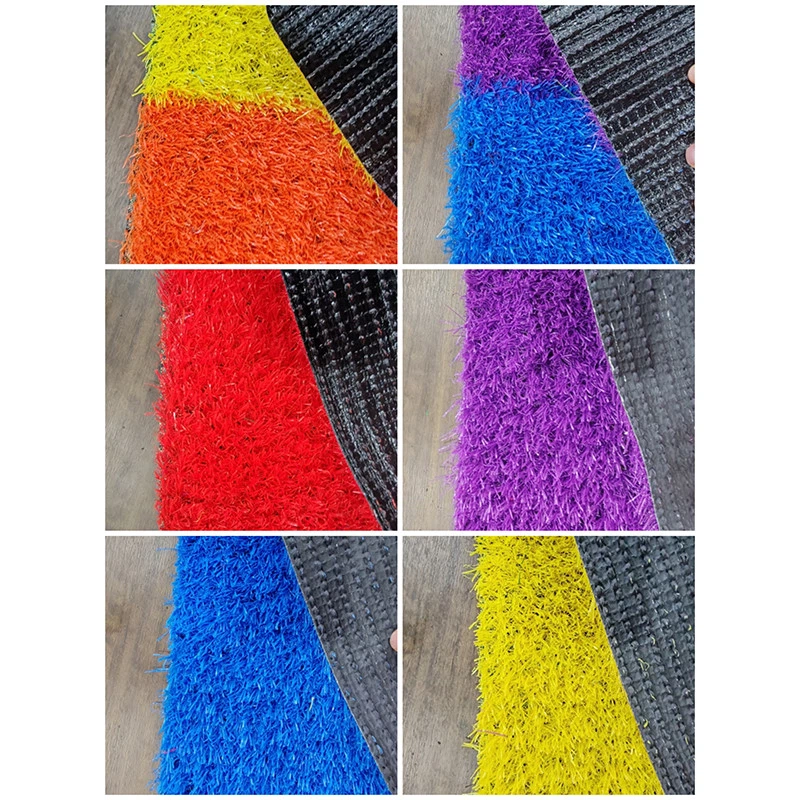
We also provide Balcony Customized Artificial Turf, which is perfect for smaller spaces and can be customized to fit your specific needs. For those looking to create an artificial turf backyard, our Artificial Turf Backyard products offer a beautiful and low - maintenance solution. And if you want to add a touch of color to your garden, our Garden Rainbow Artificial Grass is a great choice.
Conclusion
In conclusion, indoor soccer turf is generally easy to clean after a game. With proper maintenance and the right cleaning methods, it can maintain its appearance and performance for many years. Whether you are a facility manager looking for a durable and easy - to - clean playing surface or a homeowner interested in an artificial turf solution for your backyard, our products are designed to meet your needs.
If you are interested in purchasing indoor soccer turf or any of our other artificial turf products, we invite you to contact us for a detailed discussion. Our team of experts is ready to assist you in finding the perfect turf solution for your specific requirements.
References
- "Synthetic Turf in Sports: A Comprehensive Guide" by John Smith, 2020.
- "The Science of Artificial Turf Maintenance" by Jane Doe, 2019.
